RE:CABINETRE:Heads Field Cabinet

Coins · UPDATED SEPTEMBER 2, 2026

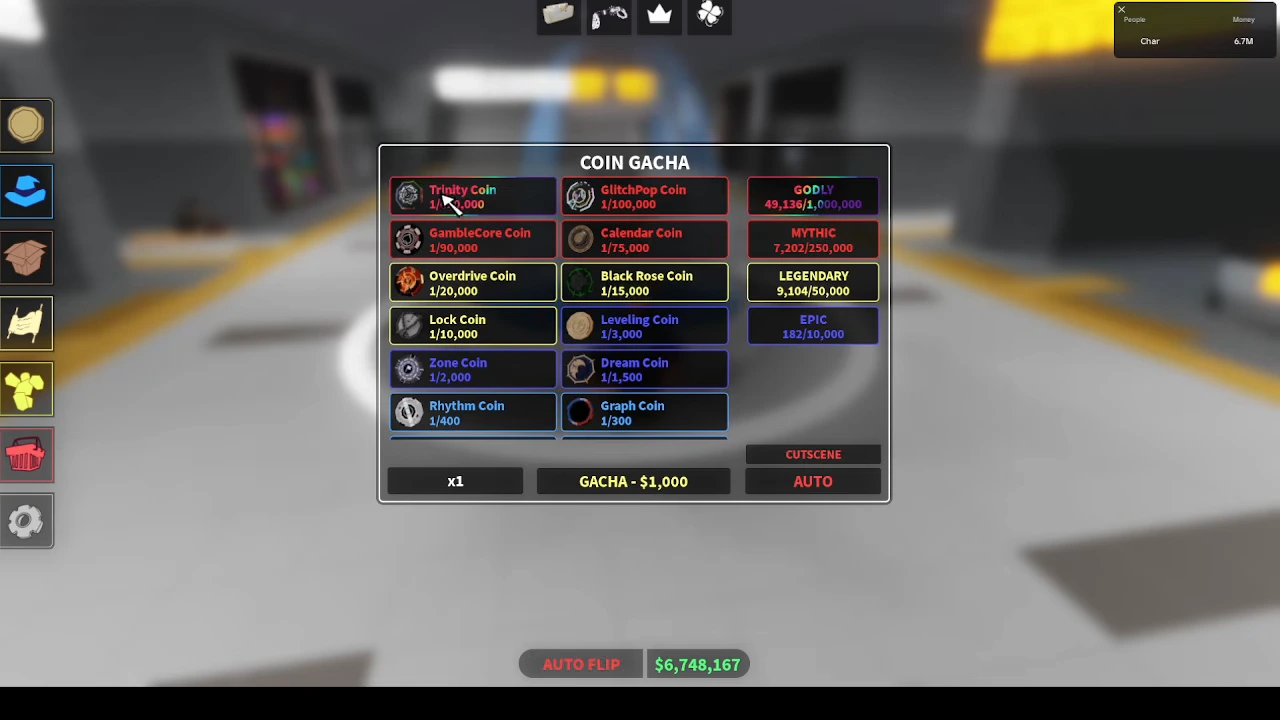
RE:Heads Coin Rarities: Separate Rarity from Profit

Rarity helps organize coins, but the current profit field—not the color alone—should drive a money comparison.

Short answer

Rarity helps organize coins, but the current profit field—not the color alone—should drive a money comparison.

Official RE:Heads Field Cabinet platform screenshot
Official RE:Heads Field Cabinet image. Numbers visible in promotional artwork may differ from the current game.
01

The working route

Rarity helps organize coins, but the current profit field—not the color alone—should drive a money comparison. Use this coin rarities answer for the next decision in play, not as a promise that every account or server will produce the same outcome. The useful part of coin rarities is the order of the actions and the visible state around the result.

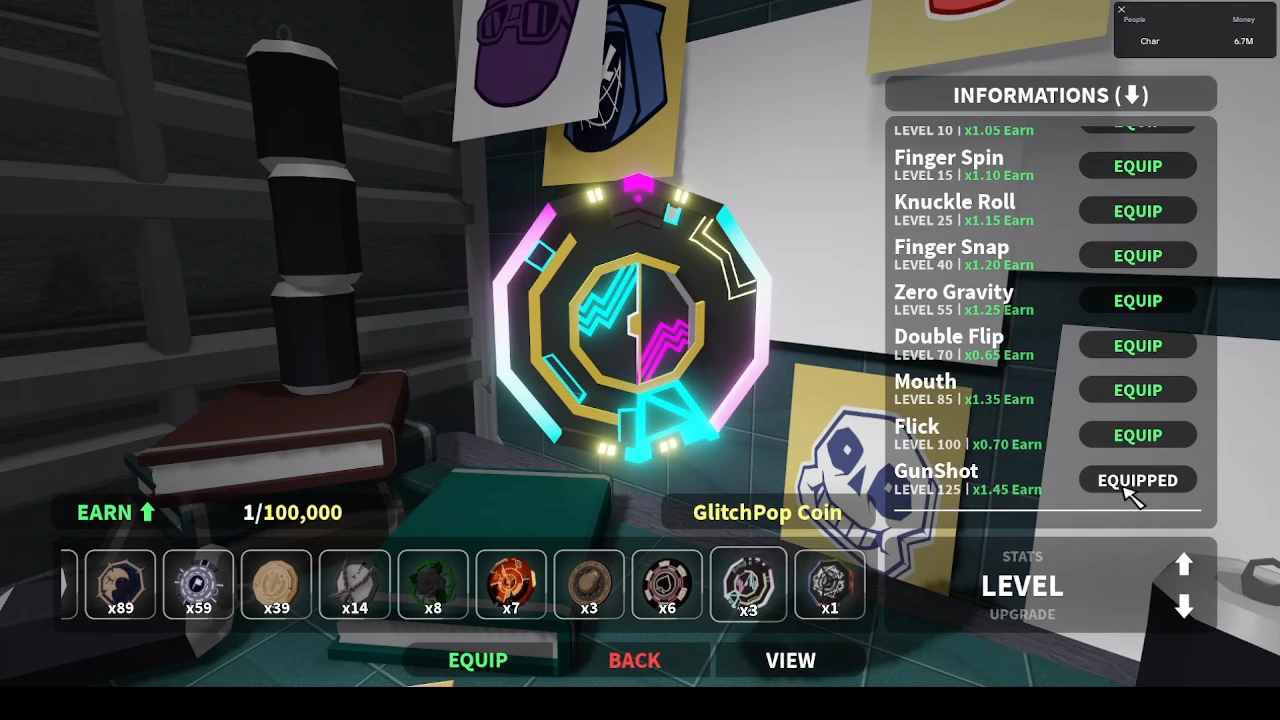
For coin rarities in RE:Heads, Please!, the strongest current description is specific: The official experience says players roll better coins, and BloxInformer says each coin has a rarity that affects money per spin. The source does not expose a complete current rarity-to-profit formula. That coin rarities evidence is enough to plan a route, but it does not erase the difference between a published example and the build running on your screen today.

RE:Heads, Please Coin Shop entrance
Community screenshot of the Coin Shop from BloxInformer; roll prices are checked separately.
02

Know your starting point

Before testing coin rarities, write down coin identity, rarity, enchantment, station, level, roll budget, and whether an area is current or historical. Save the coin rarities note beside the game while you play. If one field in that coin rarities note changes halfway through, finish the session for fun if you want, but do not use the mixed result as the basis for a profit comparison, rarity claim, station route, enchantment choice, or collection entry.

Begin coin rarities by trying to capture rarity label and profit range together. Complete that coin rarities capture before a coin roll, equipped-coin swap, enchantment replacement, warp, or event change removes the first state. The coin rarities screenshot helps when it includes the surrounding labels; a cropped number without its item, unit, or menu can create more confusion than an approximate written note.

03

A clean first attempt

Run coin rarities as a short controlled attempt. First, capture rarity label and profit range together. Next, measure two coins under the same enchantment state. Finally, preserve crafted, shop, secret, event, and station coins in separate acquisition groups. Preserve the coin rarities attempt to one goal; a narrow run is easier to repeat and answers the player question faster than a long session with several unrelated upgrades.

For coin rarities, keep the equipped coin, profit range, enchantment line, roll interface, warp menu, and current station visible throughout the route. If the coin rarities route crosses several menus or areas, note the order in plain language. That coin rarities order matters because two players can report different outcomes while both are accurate for their own unlocks, boosts, event state, or progression.

04

Keep the units attached

For coin rarities, save the full label before the number. A RE:Heads, Please! coin rarities field may use purchase price, minimum and maximum profit, percentage effects, level gates, and roll currency. A bare coin rarities value means little until the screen identifies its unit, so preserve the displayed abbreviation instead of silently expanding it.

Read the coin rarities result and setup screens together. If the coin rarities outcome looks unusually strong, check for an equipped effect, event bonus, paid option, difficulty modifier, or personal unlock. A weak coin rarities result can instead point to the wrong station, a missing level gate, an unequipped coin, a TBA effect, or removed event content.

RE:Heads, Please Enchant Room entrance
Community screenshot of the Enchant Room from BloxInformer; the current Beta layout may change.
05

Compare two choices

A fair coin rarities comparison changes one decision. Save the coin rarities route, duration, item identity, and visible boosts stable, then judge the outcome before and after judge two coins under the same enchantment state. The coin rarities result need not have laboratory precision, but it should explain what changed without crediting three upgrades at once.

Choose the next coin rarities move from the queue or failure you can see. If coin rarities stops before the tested point, improve access or preparation; if it stops during the point, improve execution, speed, coverage, or survival. A coin rarities stop after the point points instead to capacity, collection, selling, or the follow-up route.

06

Keep the claim inside its limits

The main limitation for coin rarities is straightforward: Do not infer a fixed multiplier for every rarity or rank a coin when its enchantment and current profit range are missing. Treat the coin rarities boundary as part of the answer, not a footnote. It keeps one attractive coin rarities screenshot, community table, or high-end account from becoming a universal rule for every RE:Heads, Please! player.

For coin rarities in RE:Heads, Please!, avoid copying the largest number, rarest label, or fastest published clear without its conditions. A late-game coin rarities in RE:Heads, Please! example may hide prerequisites; an event guide may describe content that has ended; a promotional image may show a dramatic marketing result rather than a normal baseline.

07

A low-risk beginner plan

A new player can use coin rarities without chasing a perfect outcome. Set one modest coin rarities objective, preserve enough resources to recover from a bad roll, and complete the sequence to capture rarity label and profit range together; then measure two coins under the same enchantment state; then preserve crafted, shop, secret, event, and station coins in separate acquisition groups. The coin rarities aim is a repeatable loop, not an endgame account before its supporting systems are available.

If the first coin rarities attempt fails, identify the stopping point. Return to coin rarities preparation when access is missing, simplify the coin rarities route when navigation causes the loss, and delay an expensive upgrade while the current setup has unused capacity. One diagnosed coin rarities failure teaches more than several rushed attempts with no mark.

08

Make the next comparison easier

Keep a compact coin rarities note: date, platform or place identity, starting state, action, and result. Add the coin rarities unit beside every number and name the active boost or modifier. This short coin rarities format still explains why a later observation differs from the first.

Do not overwrite an old coin rarities in RE:Heads, Please! entry after an update. Put the new coin rarities in RE:Heads, Please! result on a separate line and describe the changed condition. A small coin rarities history distinguishes a rebalance from a measurement error, temporary event, or normal variation, while preserving useful advice for another version.

09

Recognize the relevant screen

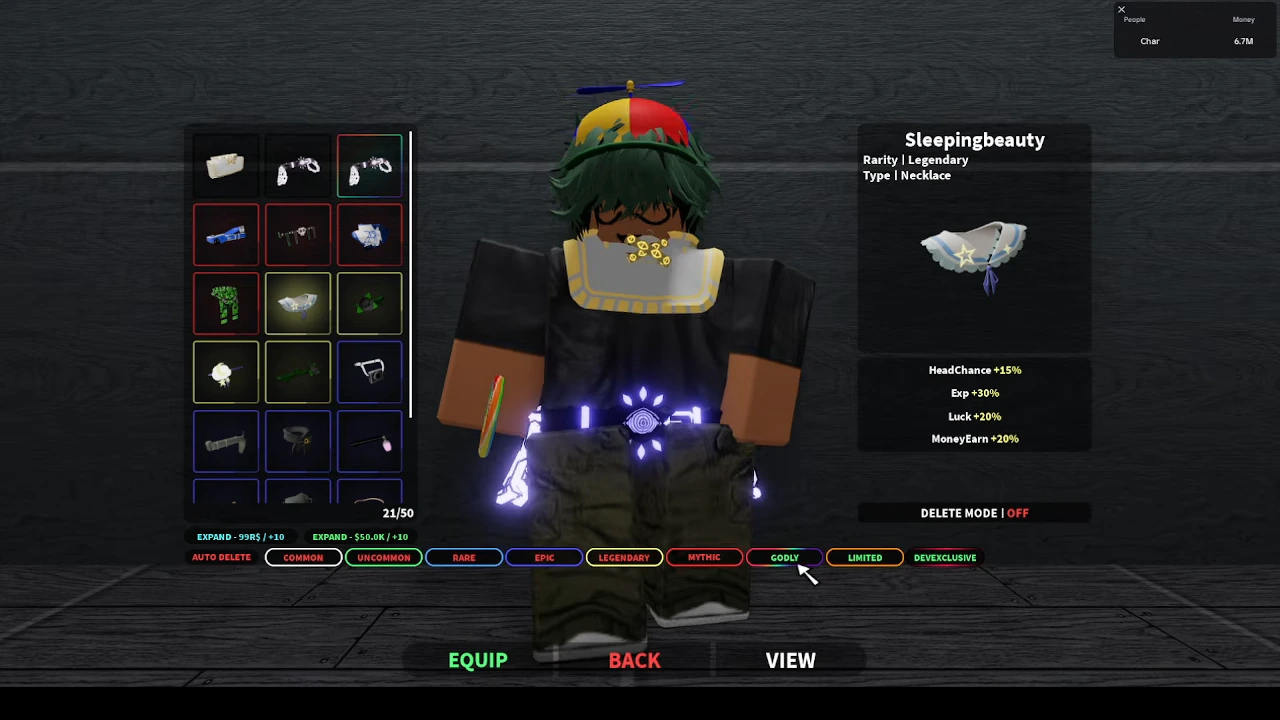
Use nearby coin rarities in RE:Heads, Please! screenshots for orientation. Match the coin rarities game identity, interface, location, or action before relying on a number in the artwork. The coin rarities in RE:Heads, Please! picture works best as a landmark that locates the relevant screen and shows which surrounding labels belong with the result.

A coin rarities screenshot cannot show every prerequisite or prove a displayed value is permanent. Read the coin rarities caption, then measure the pictured state with the equipped coin, profit range, enchantment line, roll interface, warp menu, and current station in your own session. Leave any coin rarities watermark or source mark intact so a third-party capture remains distinguishable from an official interface image.

10

Finish with these checks

Before relying on this coin rarities result, confirm the current RE:Heads, Please! identity, relevant unlock or location, and unit. Make sure the coin rarities route still lets you capture rarity label and profit range together, then judge two coins under the same enchantment state, and finally retain crafted, shop, secret, event, and station coins in separate acquisition groups. Stop the coin rarities route where the interface or requirement no longer matches.

The final coin rarities in RE:Heads, Please! decision is simple: use the route when the first state is known and the result repeats. Treat a coin rarities in RE:Heads, Please! figure as provisional when only a dated third-party example supports it. Leave the coin rarities field unanswered when item, version, event state, unit, or game identity cannot be matched without guessing.

11

Two-pass coin rarities check

Use the first coin rarities pass to learn the route rather than prove a conclusion. Follow the coin rarities sequence to capture rarity label and profit range together; then compare two coins under the same enchantment state; then keep crafted, shop, secret, event, and station coins in separate acquisition groups, keep the equipped coin, profit range, enchantment line, roll interface, warp menu, and current station visible, and write down where the run slows or breaks. Reset coin rarities to the same opening state before the second pass; otherwise the comparison measures progression drift instead of the decision this page is meant to answer.

Use the second coin rarities pass to change only one part of the sequence. If the coin rarities result improves, save the before-and-after conditions with the unit and date. If the coin rarities result does not improve, retain the failed coin rarities result too: it can rule out one explanation and point toward the wrong station, a missing level gate, an unequipped coin, a TBA effect, or removed event content without turning an uncertain observation into a confident rule.

Sources

Official Roblox experience

BloxInformer coins