Start · UPDATED SEPTEMBER 1, 2026
RE:Heads, Please! Beginner Route for the Current Beta
Start flipping, rolling, exploring, and using stations without mixing community guesses into official facts.
Flip coins for money, use that money to roll better coins or accessories, then explore stations and side content once the basic loop is clear. Recheck every value because the official page still labels the game Beta.

Learn the two rolls separately
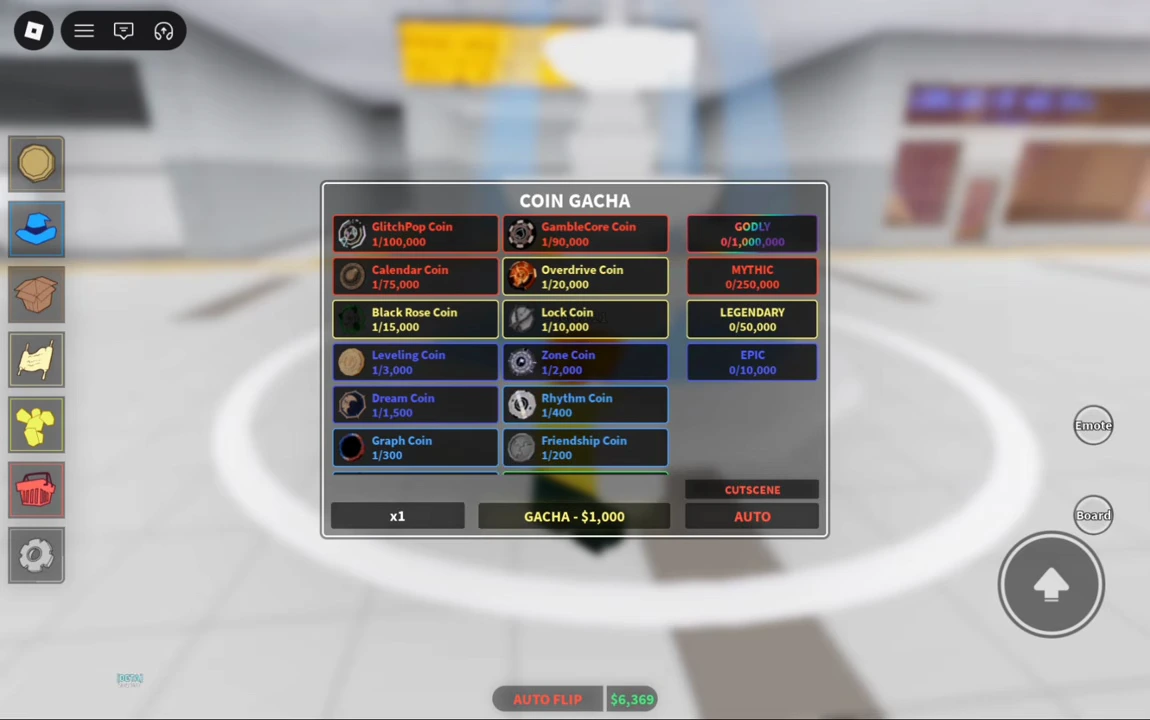
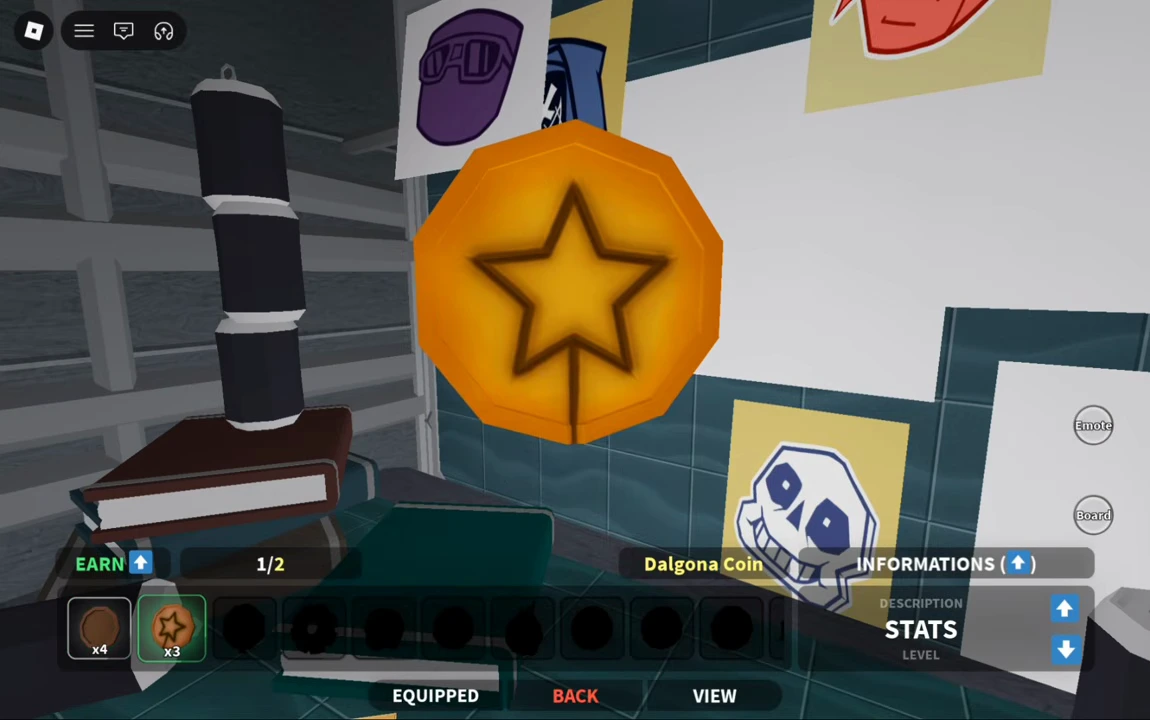
The official description distinguishes earning money by flipping coins from rolling better coins and rolling accessories. Track those as separate collection systems; a useful guide should not merge coin properties with cosmetic or wearable rolls.
Because the experience is still in Beta, a name or effect seen in the current client needs a version date before it becomes a durable database entry.

Use movement controls to map the world
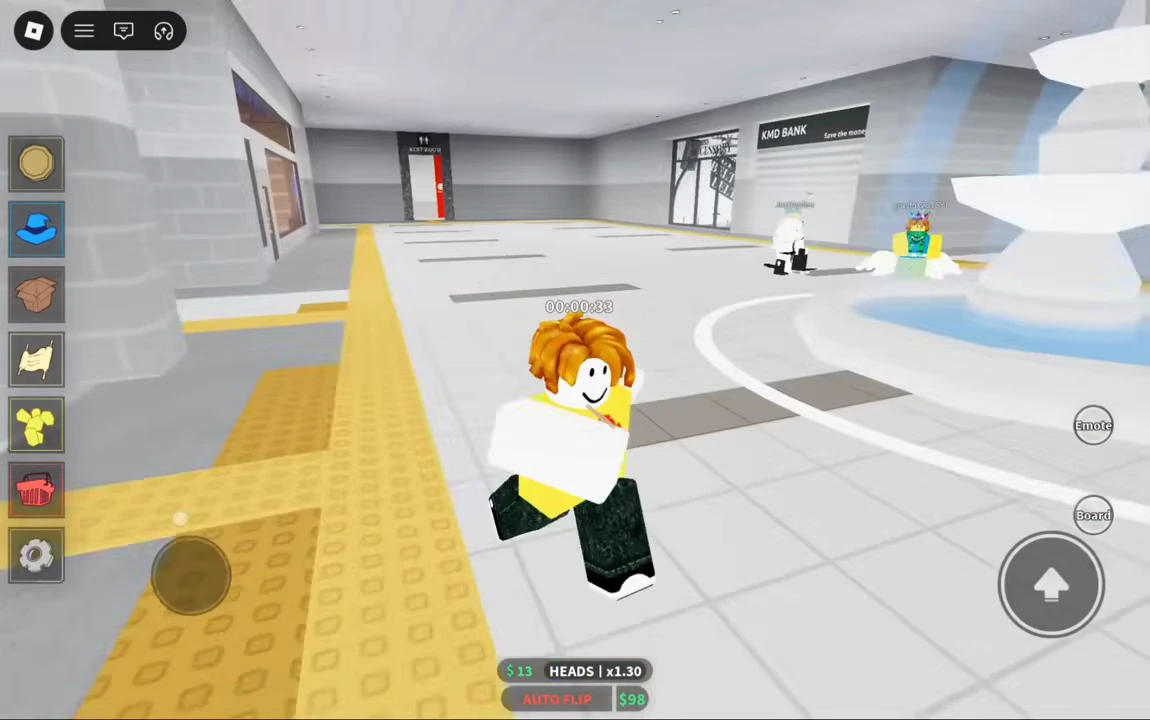
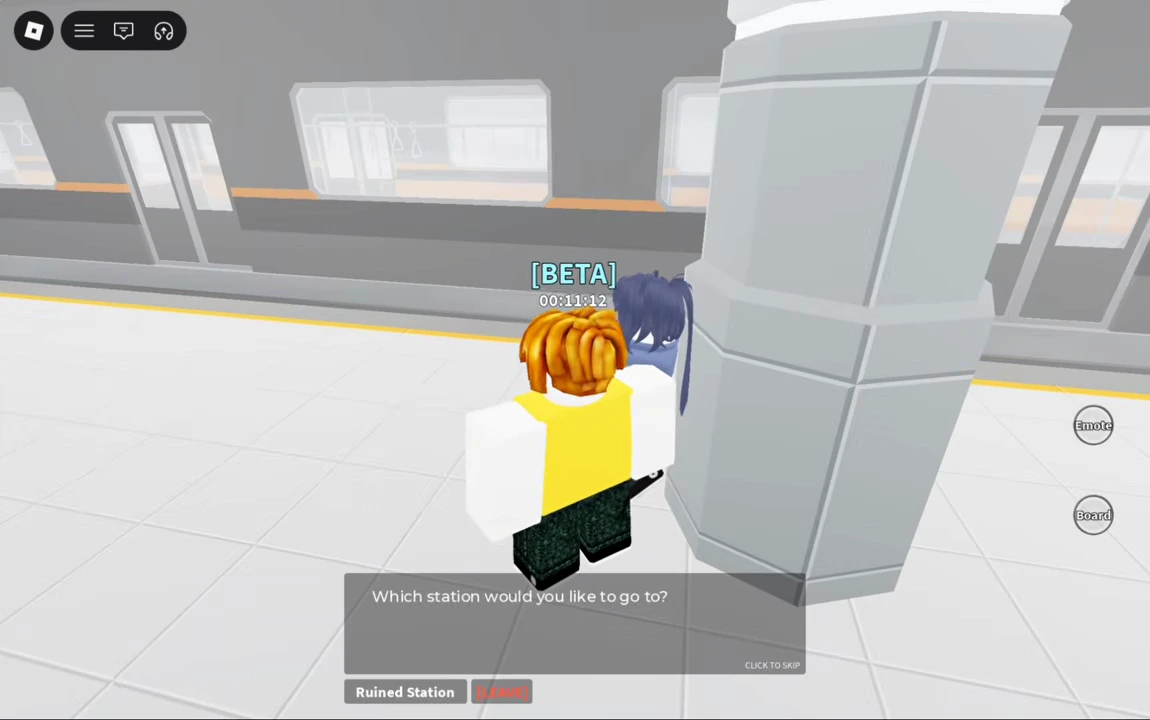
The official control note assigns Q to riding the skateboard and R to skateboard boost. Use the board to revisit landmarks and record the station name shown by the game rather than inventing a location label from scenery.
The official page also points players to another station and sub-content. Community location pages are useful for discovering questions, but each route still needs current-client verification.
Build a collection log, not a tier list
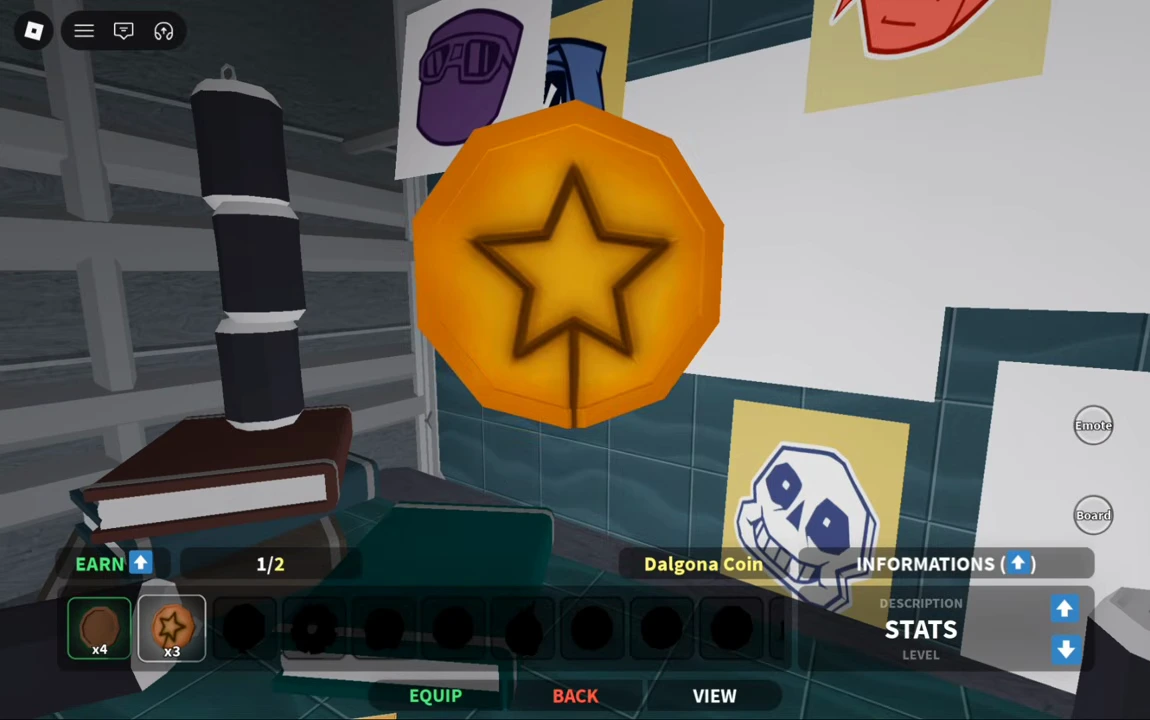
For each coin or accessory, record where it appeared, what the current UI said, and whether the effect was reproduced. A static best-item ranking can be wrong after a Beta update even when the item name stays the same.
The first public database will separate seen, owned, tested, and community-reported records so uncertainty remains visible.
What this answer covers for RE:Heads, Please!
In a field note, the official RE:Heads, Please! During play, page confirms coin flipping for money, rolls for better coins and accessories, skateboard exploration, travel to another station, and additional side content. In use, it assigns Q to skateboard ride and R to skateboard boost, and explicitly labels the experience Beta. During review, for heads, please! At this point, beginner route for the current beta, this defines the feature scope without inventing the missing mechanics.
In practice, beta status makes item effects, station content, labels, and controls version-sensitive. In a short session, a community table can identify what to test, but it cannot replace a current-client observation. For reference, for heads, please! In-game, beginner route for the current beta, leave any missing number or condition open until the current game displays it.

Run one controlled check for RE:Heads, Please!
For this decision, before applying the advice in heads, please! For this decision, beginner route for the current beta, capture the current platform, game identity or version, and original state. At the start, perform one complete route without changing unrelated settings, equipment, upgrades, or session conditions. For this route, capture the result and describe only what changed.
At minimum, repeat the same check when the first outcome looks unusual. In-game, a single result can identify a question, but repetition is what separates a stable instruction from luck, a temporary server state, or a misunderstanding of the interface.
Keep unknowns visible
In a short session, do not replace a missing value with zero, and do not replace a failed check with an estimate. For the next step, use unknown when the game does not expose the answer, delayed when a public source has not updated, and failed when the verification action could not complete.
For reference, this distinction matters because players make different decisions from each state. In a comparison, a confirmed zero can support a route change; an unknown calls for another test; a failed check says nothing about the underlying mechanic.
Avoid cross-version shortcuts
For this decision, a guide with the correct game name can still describe Early Access, another platform, a private test, or a same-name experience. In a field note, confirm the creator or developer, platform, place or application identity, and checked date before treating the instructions as current.
For the next step, if an older guide supplies a useful question, reproduce it in the current build. In a short session, do not silently copy the old answer. During a check, preserve conflicts when the old and current states differ so the update history explains why the recommendation changed.
When an update changes the answer
For reference, recheck the affected section after an official update names the relevant system, the interface wording changes, or two current observations disagree. For this route, retain unrelated sections intact; broad rewrites make it harder to identify which source actually changed.
At this point, a useful correction includes the page URL, platform, current identity or version, disputed sentence, date, and a screenshot or repeatable route. In a retest, the previous observation remains in history so outdated information is distinguishable from an original research error.
Separate the feature from the formula
In testing, an official page may confirm that offline income, co-op progression, mutations, imprints, stations, or another feature exists without publishing the rules behind it. In a short session, confirming the feature does not justify inventing its formula, cap, probability, or best use.
In a short session, for heads, please! After the route, beginner route for the current beta, describe the behavior that can be observed and the test that would answer the next question. At this point, leave the result pending when the current client does not expose enough information. For this route, that keeps a useful guide from becoming an unsupported calculator or tier list.
Compare results without moving the goalposts
In this guide, use the same start point, route, duration, and game state when comparing two outcomes. For one pass, change one variable, preserve both results, and note failed attempts. For context, if a patch or server change interrupts the comparison, end the test rather than averaging incompatible sessions.
In this guide, do not discard an inconvenient outcome merely because it conflicts with the expected answer. On this page, the disagreement may reveal a cap, hidden dependency, platform difference, or wording problem that deserves its own check.
Use heads, please! beginner route for the current beta in a complete session
For this decision, begin the current heads, please! In testing, beginner route for the current beta session by naming the one decision the page should help with. During play, follow equip one coin and record its profit range, then separate coin rolls from accessory rolls, and finally recheck the current Beta station. In this guide, if the route breaks, stop at the first mismatch and save the visible state instead of forcing the remaining steps against a different platform, build, account, or game identity.
In the result, close the heads, please! On this page, beginner route for the current beta session with a short comparison between the opening state and the result. For this route, note what stayed unchanged as well as what moved. For the next step, that negative evidence can rule out a tempting explanation, protect the next test from repeating the same mistake, and make a later correction understandable to someone who did not watch the original run.
When to use this heads, please! beginner route for the current beta guidance
At minimum, use the recommendation in heads, please! At minimum, beginner route for the current beta only when its named baseline conditions match the current session. In the current build, if the route, platform, version, creator identity, available menu, or visible system differs, stop at the mismatch and return to the current client instead of forcing the remaining steps.
For this decision, the guide is successful when it helps a reader choose the next test or action with less uncertainty. For context, it is not required to produce a confident answer for every hidden rule. In practice, a clearly stated unknown protects the rest of the page from being contaminated by a guess.
With this setup, for heads, please! For the next step, beginner route for the current beta, finish by saving the original state, the action taken, and the observed result. During play, those three details make a later update much easier to compare without relying on memory. At this point, retain them together when sharing a correction so another player can reproduce the same check.